Insurance
Consumer Duty Testing: Evidencing Good Outcomes in Insurance Journeys

Adwitiya Pandey
Published On
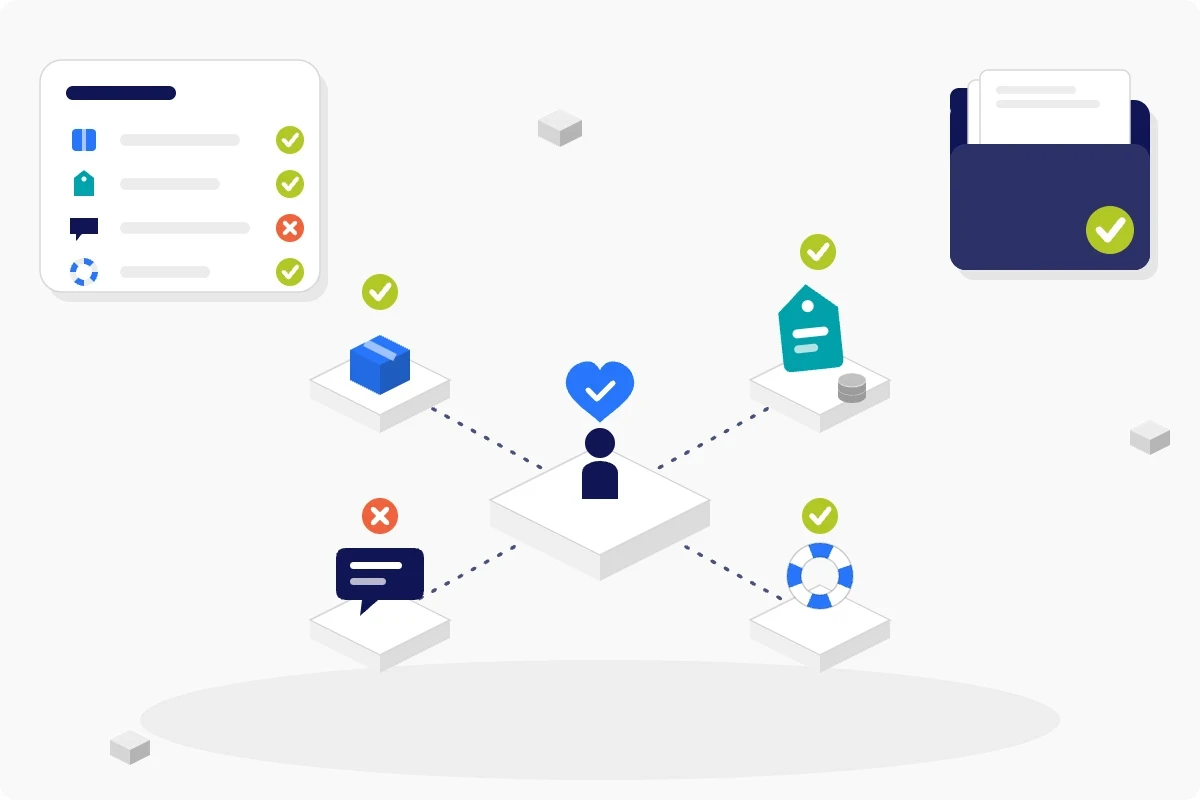





Table of contents
Lorem ipsum
Lorem ipsum
Lorem ipsum
Lorem ipsum
Lorem ipsum
The FCA's Consumer Duty requires firms to deliver good outcomes for retail customers across products and services, price and value, consumer understanding and consumer support. In insurance, software delivers most of those outcomes: it prices, documents, renews, cancels and pays claims. Testing those journeys against outcome-based requirements, and keeping the evidence, is one of the most direct ways to show the Duty is working.
The Duty does not mention software testing. It does not need to. When a release breaks an online cancellation, drops a field from a renewal notice or loses a vulnerability flag between systems, the result is a poor customer outcome, and under the Duty the firm owns it. This page sets out where software touches each outcome, how to test for foreseeable harm, and what evidence a board assessment can actually use.
What Does the Consumer Duty Require?
The Duty has three layers: a Consumer Principle to act to deliver good outcomes for retail customers; cross-cutting rules to act in good faith, avoid causing foreseeable harm and enable customers to pursue their financial objectives; and four outcomes covering products and services, price and value, consumer understanding and consumer support.
It has applied to open products since 31 July 2023 and to closed products since 31 July 2024, and boards review an assessment of how the firm is delivering good outcomes at least once a year. The FCA's first Regulatory Priorities report for insurance, published in February 2026, keeps the Duty at the centre of insurance supervision, with particular attention on claims handling, consumer understanding, fair value and the treatment of customers in closed-book life products.
Where Does Software Touch Each Consumer Duty Outcome?
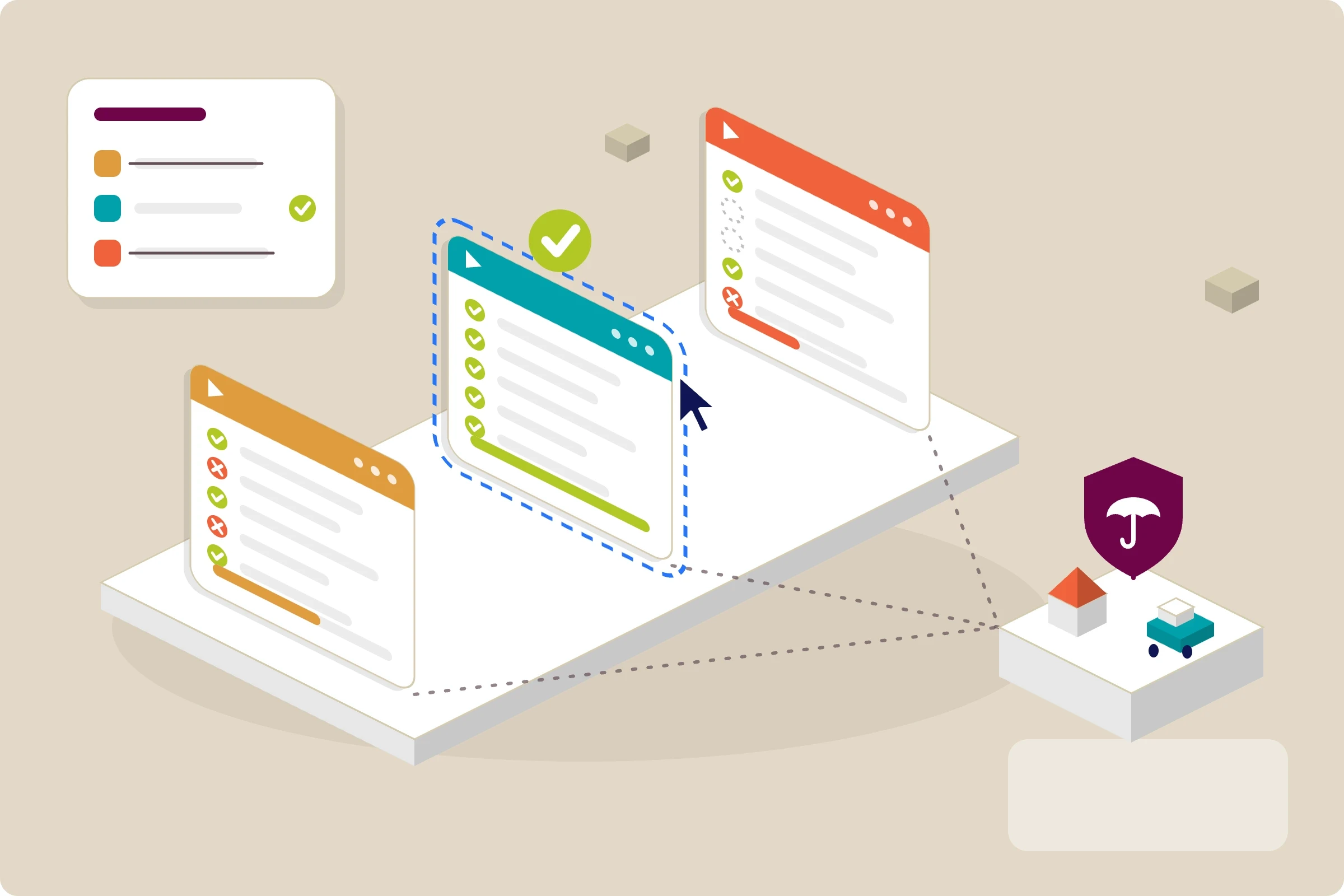
Every outcome depends on journeys your software delivers. Mapping each outcome to those journeys, the defects that would harm customers and the tests that would catch them turns an abstract duty into a concrete regression scope.
Outcome | Journeys That Deliver It | What a Defect Looks Like | What to Test |
|---|---|---|---|
Products and services | Eligibility, target market controls, cover options and product availability by channel | A product sold to customers outside its target market, or an option that adds no value for that customer | Eligibility and target market rules, positive and negative, by channel |
Price and value | Rating, fees, discounts, premium finance, renewal pricing and refunds | Fees charged twice, a refund on the wrong basis, or renewal prices drifting above the equivalent new business price | Prices, fees, refunds and premium finance costs against approved rules |
Consumer understanding | Quote screens, documents, renewal notices, key information, emails and texts | A missing value on a renewal notice, an outdated wording, or a message sent at the wrong time | Document and message content, template versions and timing for each policy event |
Consumer support | Claims, cancellations, mid-term changes, complaints and vulnerability handling | Cancelling is harder than buying, a claims step breaks, or a vulnerability flag is lost between systems | End-to-end service journeys, parity between buying and leaving, and support flags that persist |
How Do You Test for Foreseeable Harm?
Test the paths customers take when things are not going well for them, not only the paths that make money. Foreseeable harm usually hides in negative and edge-case journeys: leaving, complaining, claiming, missing a payment or needing extra support. Those are exactly the journeys regression packs tend to skip.
A foreseeable harm test set covers:
Parity between buying and leaving: Cancelling, opting out of auto-renewal and making a complaint are as easy, in the same channels, as buying.
Missed payments: Failed collections trigger the right communications and options before cover is affected.
Vulnerability: A flag set in one system follows the customer into claims, servicing and communications, and changes how they are treated.
Claims under pressure: Claims journeys work end to end, including uploads, status updates and payments, for different perils and claim sizes.
Accessibility: Journeys work with assistive technologies and on the devices customers actually use.
Communications that arrive: Renewal notices, claims updates and cancellation confirmations are generated and delivered, not just triggered.
How Do Testing and Outcomes Monitoring Fit Together?
Outcomes monitoring watches what happens to customers in production. Testing stops harm reaching production in the first place. You need both: monitoring finds the problems tests missed, and testing prevents the problems monitoring would otherwise find too late.
In practice, that means three habits:
Turn monitoring findings into tests: when monitoring finds a poor outcome caused by a system, add a requirement and a test so it can’t happen again unnoticed.
Test outcomes before every release: when a release changes a journey that serves a Duty outcome, run the tests for that outcome before go-live.
Bring both into the board assessment: use testing evidence alongside monitoring data to show that controls over change are working.
Running outcome tests on every release only works if regression keeps up with change. Virtuoso QA’s regression testing runs those journeys automatically in your pipeline, with repairs your team reviews when the interface changes.
Why Do Closed Books Need Special Attention?
Because closed products are serviced on the same platforms as open ones, are affected by the same releases and are now inside the Duty, yet are rarely tested. The FCA's 2026 priorities specifically mention reviewing outcomes for customers in closed-book life products. A closed product nobody tests is a Duty risk nobody can see.
What Testing Evidence Can a Board Assessment Use?
Boards need to see that the firm's systems support good outcomes and that changes to them are controlled. Testing evidence helps when it is organised around journeys and outcomes rather than test counts: which customer-facing rules were tested, when, against which release, approved by whom, and what failed and was fixed.
Useful evidence includes:
The journeys that serve each outcome, and the requirements tested for each one.
Releases in the period that touched those journeys, with their test results and approvals.
Defects found before release that would have caused customer harm, and how they were fixed.
Gaps: journeys or products without adequate test coverage, with a plan to close them.
That last item matters. A board assessment that shows known gaps and a plan is more credible than one that claims complete coverage.
How Does Virtuoso QA Touchstone Support Consumer Duty Testing?
Touchstone turns the documents behind Duty compliance, including product governance and target market statements, fair value assessments, communication standards, claims philosophies and vulnerability policies, into approved requirements, then tests the journeys that deliver them.
Because every requirement cites its source, testing evidence can be traced back to the outcome that source serves.
The Analyst reads product governance documents, fair value assessments, communication standards and service policies, and proposes requirements, each citing the passage it came from.
The Architect builds journeys across portals, core systems, CRM, documents and payments, including the negative paths where foreseeable harm hides.
The Autopilot runs those journeys as automated tests on a deterministic engine in your CI pipeline, on every release.
Named approvals put the product owner, claims lead or customer outcomes lead on each requirement that encodes their rules.
Change tracing links revisions to policies and governance documents to every affected requirement and test, proposing updates as reviewable differences.
Evidence shows, release by release, which customer-facing rules were tested and approved, giving risk and compliance teams material they can use in a board assessment.
Touchstone doesn’t make a firm compliant with the Consumer Duty. It gives you a reliable view of whether your systems do what your policies say, and the evidence to show it.
When the board or the FCA asks how a change was controlled, Virtuoso QA’s release evidence shows the requirement, its source, the result and the approver behind every check.
From quote and bind through renewal, claims and cancellation, Virtuoso QA’s insurance testing covers the journeys that deliver each Duty outcome.
Illustrative Scenario: the Cancellation Button That Moved
This scenario is illustrative and doesn’t describe a specific firm.
A UK home insurer redesigns its customer portal. In the new design, the self-service cancellation option is replaced by a link to web chat, on the assumption that customers would rather talk.
The insurer’s product governance standard says customers must be able to cancel online, in the same channel they bought in. That standard is a source in Touchstone, and the requirement drawn from it is part of the regression pack. The cancellation journey fails in pre-production: the customer can buy online but can’t cancel without a conversation.
The design is changed before release. The evidence shows the requirement, its source in the governance standard, the failed run and the passing rerun, which is exactly the kind of control a Duty assessment should be able to point to.
Also read: our guide to ENBP testing under ICOBS 6B, which covers the renewal pricing side of the price and value outcome, and our guide to insurance document testing for the documents behind consumer understanding.
Consumer Duty Testing FAQs
Does the Consumer Duty require software testing?
Which insurance journeys matter most for the Consumer Duty?
How do you test for foreseeable harm?
Can testing evidence support a Consumer Duty board assessment?
Does the Consumer Duty apply to closed products?
" height="10.182000000000016px" id="C361dJxCp" width="11.692999999999984px"/></svg>)